How To Develop Expressive Lead Guitar Phrasing (In 5 Steps)
Emotion To Any Guitar Lick

EMAIL TO GET ACCESS
By submitting your info, you agree to send it to Tom Hess Music Corporation who will process and use it according to their privacy policy.
You've spent years learning scales and memorizing licks. You can play guitar solos that should sound great.
But when you actually play them ... something is missing. Your guitar playing sounds mechanical - like you're reading notes off a page instead of saying something with them.
So you go looking for answers - and I can almost predict what you’ve tried, because I’ve seen it play out hundreds of times in the same order:
First, you learn more scales. That gives you more notes to choose from ... but they sound just as flat as the ones you already had.
Then you hunt down new licks.
You learn them note-for-note from your favorite players. They sound incredible when your favorite player plays them. When you play them, something still feels off.
Maybe you upgrade your gear. Your tone improves, but your phrasing doesn’t.
You might even try playing faster, thinking speed will add excitement.
But it (usually) doesn’t - it just makes the emptiness go by quicker.
Here’s what’s actually going on: the problem was never what you play. It’s how you play it.
The difference between a lead guitar part that sounds like a scale exercise and one that makes people stop and listen comes down to guitar phrasing - the way you articulate and ornament each note.
And phrasing isn’t some vague talent that certain players are born with.
It’s a specific set of skills with a clear development path - one that most guitar players have never seen.
Emotion To Any Guitar Lick
EMAIL TO GET ACCESS
By submitting your info, you agree to send it to Tom Hess Music Corporation who will process and use it according to their privacy policy.
What I’m about to share with you is a roadmap for making your guitar solos sound expressive and soulful - using notes you already know.
And to show you what this roadmap can do, let me tell you about Jim.
Today, Jim - a 49-year-old construction business owner from Montreal - plays his heart out over backing tracks with phrasing that sounds totally pro.
Every note drips with emotion in the style of David Gilmour, Brian May, and Slash.
But when he first came to me, things were very different.
Jim wasn’t interested in shredding. He didn’t care about playing fast. He just wanted his lead guitar to sing - and it wouldn’t.
He told me: "Honestly, I'm not even trying to shred or anything fancy. I just want it to sound like... like something, you know? I play the licks clean, every note's right, and it still sounds like nothing. Just empty. I've been at this a long time. I'm starting to lose patience."
I’ll show you exactly what changed for Jim - and how his phrasing transformed - later in this article.
For now, let me show you the roadmap that most guitar players don’t know exists.
Why Your Lead Guitar Phrasing Feels Stuck
Most guitar players think phrasing is one thing - “play with feeling.” So they learn a couple of ornaments (vibrato, maybe some bends), apply them on autopilot, and wonder why their guitar solos still sound the same year after year.
But developing expressive guitar phrasing actually involves not 1, but 5 steps: building your phrasing vocabulary, refining each expressive element, connecting ornaments into micro phrases (2 to 4 notes shaped as a guitar lick), transforming your existing guitar solos, and applying your phrasing in real time over backing tracks.
And these 👆steps don’t work like a checklist you complete from top to bottom.
After the first step, the other four run in parallel. You keep moving between them, and what you do in one makes the others better.
The work you do in one step reveals weaknesses that send you back to an earlier step with new ears and new understanding.
What I'm about to show you is the most common version of this process. But YOUR version might look different - change your starting skill level, change which phrasing techniques you're already strong at, change the style of lead guitar you're going for, and the roadmap shifts.
Here are the 5 steps, starting with ...
Step 1: Build Your Lead Guitar Phrasing Vocabulary
Before your lead guitar phrasing can become expressive, you need to know what’s even possible.
Most guitar players use maybe 3 or 4 phrasing ornaments: vibrato, hammer-ons, pull-offs, maybe basic string bends.
But the full vocabulary of guitar phrasing ornaments is much larger than most players realize.
It includes instant vibrato, delayed vibrato, ascending and descending slides, backslides, super slides, re-articulation slides, pinch harmonics, double stops, and all kinds of bending variations like pre-bends, ghost bends, and slow releases.
Beyond the ornaments above, there's also rhythmic phrasing - your decisions about WHERE each note lands in time, how long it stays, and where you leave silence.
To show you just how nuanced a simple guitar phrasing element like "string bends" can be, watch this video:
The good news: you don’t need to master all of them before moving on.
Once you know a handful - even just 3 or 4 of these beyond the basics - you have enough vocabulary to begin the real work in steps 2 through 5.
But here’s what keeps this step from being a one-time event: you’ll periodically loop back here as you discover new phrasing techniques over time ...
... or when you discover specific technical adjustments you need to refine. Like, for example, adjusting your thumb position (in your fretting hand) to wrap around the neck of the guitar when doing vibrato, like this:

... vs. being behind the neck - giving you less control.
But knowing these phrasing tools exist is just the starting line.
What matters - and what actually separates boring phrasing from great phrasing - is what you do with them in the next step, which is ...
Step 2: Refine Your Guitar Phrasing One Note At A Time
This is the step that separates guitar players who “know about” guitar phrasing from those whose lead guitar actually sounds pro.
Example:
Choose a single note ... and play it with vibrato.
Now, stop.
How did that vibrato sound?
Was it perfectly in tune? Was it free of string noise? Did you control its rhythm? Could you sustain the note for more than 2 seconds? Was the vibrato delayed or instant?
Most importantly: if you heard the vibrato sound you just played on a record - would you like it?
If your answer to any of these 👆 questions is: "Uh ... I don't know", then stay on this step until you have full control over your vibrato.
(This can take anywhere from a few minutes to a few weeks, depending on how well you can listen to and refine your vibrato in real time.)
Watch this video to see me quickly coach one of my students to make this vibrato better quickly:
Then, repeat the process with refining the sound of other phrasing elements you're learning.
Next, layer expressive elements on a single note: slide into it, add a pinch harmonic, bend into it, do a backslide ... each combination creates a completely different emotional effect from the same note.
This is where most of the refinement happens.
Here's the catch: you'll know you're doing this right when each expressive element sounds clean, in tune, and emotionally clear in isolation - and even better when you stack them. But most guitar players misjudge this. They think they're hearing in-tune vibrato when there's actually a pitch wobble that pulls the listener out of the moment. They think their slide lands cleanly when there's a hair of string noise underneath. They think they've layered expressive elements well when really two of them are competing instead of complementing.
That's the kind of blind spot you almost certainly can't catch on your own.
(This is also exactly where Jim had the most room to improve - but I’ll get to that shortly.)
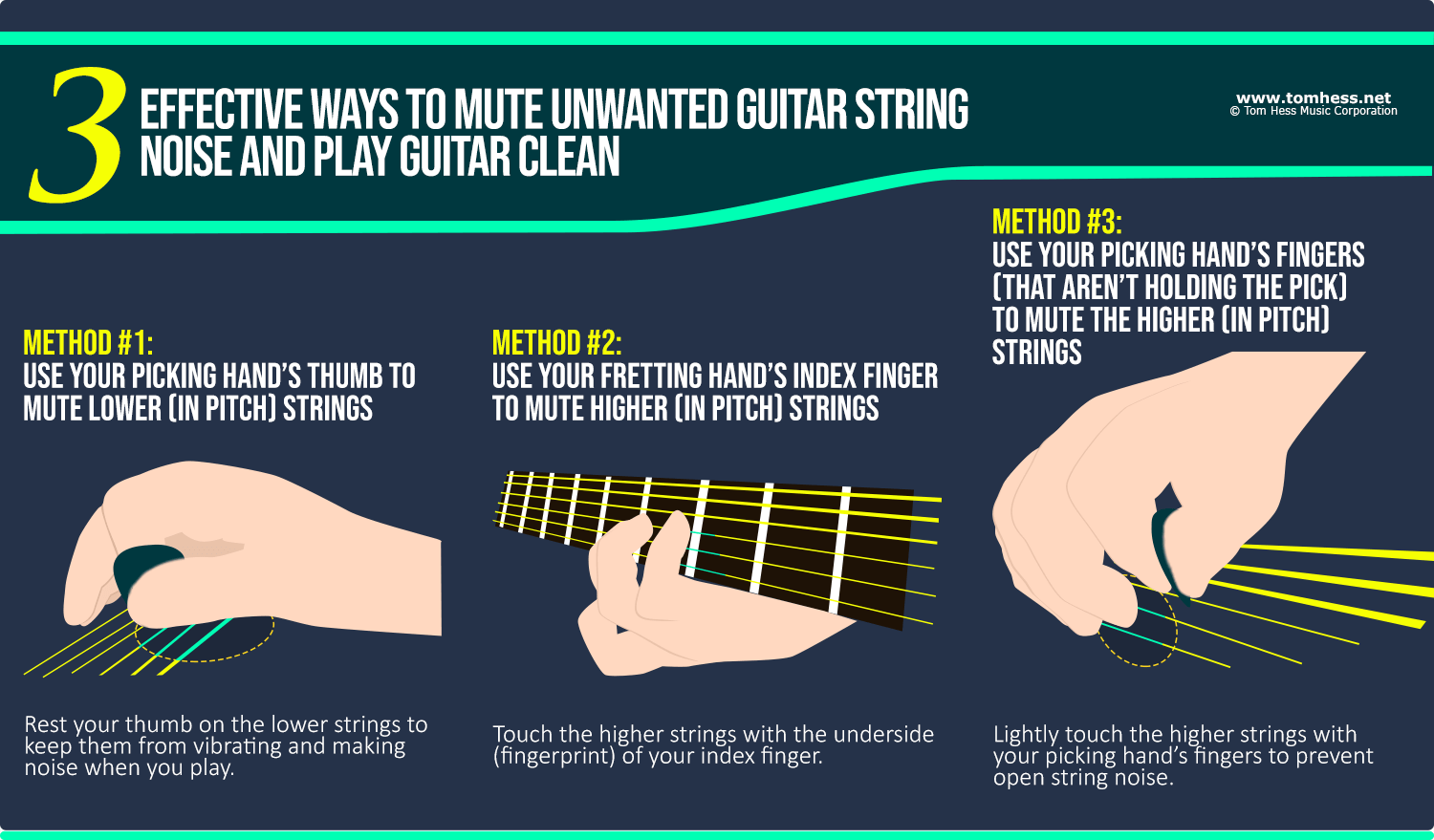
And yes, string noise control is a key piece of refining your phrasing. Here are the best ways to control string noise:
Before we talk about applying your phrasing to full solos, there’s a critical middle step most players skip, which is ...
Step 3: Connect Phrasing Elements Into Short Guitar Licks
Once these techniques sound clean on single notes, the next step is connecting them into short guitar licks - just 2 to 4 notes.
See an example of this in this video:
Watch how just two notes can sound incredible when the guitar phrasing is dialed in.
The two notes themselves aren't special. The phrasing ornaments used on them are. The notes sound great because the phrasing makes them great.
This is where you start making creative decisions: which notes get embellished?
Which phrasing element goes where?
Do you layer multiple techniques on one note, or spread them across the phrase?
Each decision shapes how the guitar lick feels - whether it sounds aggressive or soulful.
The key word here is fluency.
You want to be able to make these phrasing decisions quickly and cleanly, so they stop being something you have to consciously think about and become second nature.
(This is the step where most guitar players bail too early. They work on it for 15 minutes - if even that - assume they’ve squeezed everything out of it, and move on. They haven’t even scratched the surface.)
And here's what makes this 👆roadmap different from anything you've come across before: step 2, 3, 4, and 5 all work together.
You don’t “finish” step 3 and then move to step 4. You rotate between them - sometimes in the same practice session.
Each step makes the others better. What you learn refining each technique on a single note makes your micro phrases better.
What you discover in micro phrases reveals specific weaknesses in your execution that send you back to step 2 with sharper ears.
Trying to manage all of this on your own - knowing how long to spend on each step, when to rotate, when to loop back - is where most guitar players go wrong without realizing it. (More on that in a moment.)
First, let me show you what happens when you turn these phrasing skills loose on music you already know in the next step, which is ...
Step 4: Transform Your Existing Guitar Solos With New Phrasing
This step surprises most players, because it’s not about learning new guitar licks or scales.
Take a guitar lick or solo you already know - something you’ve played a hundred times the same way.
Now challenge yourself to play it differently using only phrasing. The notes are the same, but the expressive elements, the timing, and the dynamics are all different.
The goal isn’t even to like what you create. It’s to open your ears and your hands to possibilities you’ve been walking past.
That pentatonic guitar lick you've been playing since you were 17 can be phrased in dozens of ways you've never tried.
Not because you lack skill - because it never occurred to you to try. (And no - new gear won’t fix this either.)
Here's where the work gets tricky on your own: you'd know you've explored a lick fully when even small phrasing changes can shift the entire feel of those same notes. But most guitar players misjudge how far they've actually pushed it. They try a couple of obvious variations and assume they've explored the lick. They haven't. The transformations that actually open the lick up are usually the ones that didn't occur to them at all - and you don't know what didn't occur to you until someone with a trained ear points it out.
It's the same kind of blind spot as step 2. And just like that one, it's not something you can usually close on your own.
Watch this video to see what I mean:
This 👆 is exactly the trap that keeps most players stuck: when a guitar solo or lick sounds stale, most players would go find new licks, new scales, or buy new equipment.
That “tell-tale sign” is worth paying attention to. If you catch yourself thinking “I need to find new material to sound better” ... that’s usually a signal that you’re missing an opportunity to go deeper into your phrasing on the material you already have.
Now, here’s where all of this comes together ...
Step 5: Apply Your Guitar Phrasing Over Backing Tracks In Real Time
In this step, you're getting good at making guitar phrasing choices in real time while you solo.
A super slide that sounds incredible over a slow, clean chord progression might not fit at all over a fast, distorted riff.
The same guitar lick needs different phrasing adjustments depending on the musical context - the tempo, the feel, the energy of what you’re playing over.

The adjustments you make are personal choices - there’s no single right answer.
But making those choices fluently is what separates a guitar solo that sounds like someone practicing from one that sounds like a musician expressing themselves.
And this is exactly where guitar players who try to teach themselves phrasing often struggle the most.
Because this step requires you to honestly judge how your phrasing sounds in context ... and most guitar players simply can’t. They rush past the phrasing and pile on more notes instead.
That's a limitation of perspective. It's not an issue of talent.
You can't hear what's lacking in your own guitar phrasing the same way I can.
After refining the phrasing of thousands of guitar players, I've learned to hear the specific things in someone's playing that they can't hear themselves.
I can listen to YOUR playing and tell you 'right here, this is the specific thing that will make the biggest difference' - for you specifically.
Which brings me to an important question ...
Which Of These Guitar Phrasing Steps Are You Actually Practicing?
Most guitar players’ lead guitar phrasing lives entirely in step 1 (if that) - they know a few techniques, use them on autopilot, and have never deliberately worked through steps 2, 3, 4, or 5.
If that sounds like you, here’s good news:
There is almost certainly more fire and emotion hiding inside your current playing than you realize.
You don’t need new scales. You don’t need new licks. You need to unlock what’s already there.
I created a free guide that shows you exactly how to start. It’s called The Secret To Adding Fire And Emotion To Any Guitar Lick, and it will show you how to take any guitar lick you already know and make it sound dramatically more expressive using phrasing.

Now let me show you what this roadmap looked like for someone who actually walked it ...
How Jim Transformed His Lead Guitar Phrasing
That construction business owner from Montreal, Jim, was the same way at first.
When Jim first came to me, he was stuck in step 1 without knowing it.
He knew vibrato and basic bends. That was essentially his entire phrasing vocabulary. Every guitar solo he played used the same small handful of techniques in the same way.
He didn't realize how many phrasing tools existed that he'd never tried. He'd never heard of super slides. He'd never experimented with layering multiple expressive elements on a single note. He'd never practiced making just 2 notes sound as expressive as possible before moving on to full solos. (Why would he? Nobody had ever shown him.)
So we expanded his vocabulary first. Just enough new tools to give him something to actually work with.
The biggest shift happened in step 2 - refining his execution with direct feedback. I could hear things in his playing that he couldn't hear himself: opportunities to add emotion, places where his vibrato needed a different approach, moments where a rest or a super slide would transform a phrase from ordinary to something that gives you chills.
Jim told me later he'd had no idea how much detail he was missing in his own playing.
From there, we moved into step 3 - making just 2 to 4 notes sound expressive together. This is where Jim discovered (the hard way) that his vibrato wasn't as expressive as he thought. So we cycled back to step 2 on that specific technique, then forward into step 3 again. That loop happened more than once.
Then step 4 - taking guitar licks Jim had played the same way for years and reshaping them with phrasing alone. The notes stayed the same; the way he shaped them transformed. He told me this was the step that changed his ear permanently, because once he started hearing how many directions a familiar lick could go, he couldn't UN-hear it.
Step 5 - applying everything in real time over backing tracks - was where it all came together for him. And kept revealing more things to refine all the way back through step 2, 3, and 4.
Within about eight to nine months, Jim went from "I just want it to sound like something" to sending me recordings of himself playing over backing tracks with a grin on his face - every note dripping with the soulful feeling he'd always wanted.
(His technique got cleaner too. But the biggest gains were all in phrasing and feel.)
And that brings up something that can help you most of all ...
How To Take Your Lead Guitar Phrasing To The Next Level
You probably noticed the same problem keeps showing up across these steps. In step 2, you can't reliably hear when your own vibrato has a pitch wobble, or when two expressive elements are competing instead of complementing each other.
In step 4, you don't know what didn't occur to you when you tried to phrase a guitar lick differently - because you can't see what you can't see.
In step 5, you can't honestly judge how your phrasing is sitting in context against the backing track.
It's the same blind spot wearing different hats. You can't audit your own ear with the ear that needs auditing.
But it gets trickier than that.
Because the harder layer is everything that happens BETWEEN the steps - knowing when to rotate between the steps.
For example, deciding when to go from step 3 back to step 2 ... or knowing how long to stay in step 5 before going back to clean up something specific ... or when it’s time to expand your phrasing vocabulary (vs. refining the phrasing elements you’ve already learned).
The roadmap isn't a checklist. It's a setup that has to fit the specific guitar player.
The natural response is to think: "OK, I'll just record myself and listen back ... or: I'll watch more videos and practice harder."
This is the part of the article where I tell you what I actually do with guitar players who want to walk this roadmap with help.
Here's what I do for guitar players every day in Breakthrough Guitar Lessons: I take the roadmap I just walked you through and I build out YOUR version of it.
Because YOUR version - based on where your phrasing is right now, which expressive elements you’re strong at, which ones you’re missing, and what style of guitar solo you’re going for - might look meaningfully different than the sample one from this article.
A player with weak vibrato needs a completely different starting point than a player whose vibrato is solid but who’s never explored ornaments like super slides or re-articulation slides.
And what I walked you through in this article isn't the complete picture of guitar phrasing - there's more to it than fits in any single article.
Plus, you need to know to balance phrasing development with everything else you want to learn on guitar.
That’s not something a free article can figure out for you.
I listen to YOUR playing, identify the specific phrasing opportunities you’re missing, and guide you through the exact steps your playing needs - while also teaching you all the other skills that make you the guitar player you want to be.
This is not some cookie-cutter course. I create personalized guitar lessons specifically for you.
Where Will Your Lead Guitar Phrasing Be A Year From Now?
A year from now, you could pick up your guitar, hit record over a backing track, and listen back to a solo where the notes you've played a thousand times sound like something you finally meant to say. Someone in the next room stops what they're doing to listen.
Or a year from now, you could be plugged into the same amp, playing the same licks the same way you always have. The technique may be clean and you may be playing the right notes ... but not expressing any more emotion than you are today.
Jim’s journey started with a single step: getting clear on what his phrasing was missing and what to do about it.
The choice is yours.